Counter Drone System Selection Guide: Low-Altitude Defense for Airports, Prisons & Oil Terminals
Drones flying into airport runways, dropping phones and drugs into prisons, circling over oil facilities to gather intelligence — these are no longer headlines; they are what security teams deal with every day. After years in the drone export business, I have seen too many buyers whose first instinct is "just buy a jammer" — and too many projects that had to start over because of that one mistake.
This guide is for buyers building a low-altitude defense line: how to choose a counter drone system, how detection and mitigation work together, and the traps that cost serious money before you learn them. We walk through the selection logic step by step.
Updated August 2026, based on public information and field experience.
Key numbers at a glance:
- Counter drone systems market ≈ USD 3.2 billion in 2026, heading toward USD 40 billion by 2036, growing 28.6% per year (Future Market Insights)
- Detection is the foundation layer: detection systems hold 51.7% of the market — without detection, mitigation is blind
- Military procurement is 58.4% of demand, but airports, prisons, oil facilities and large events are the fastest-growing civilian segments
- Small consumer drones are the most common threat: small, cheap, payload-capable, and hard to distinguish on radar and optics
- Jamming-class mitigation is restricted in most civilian jurisdictions: the compliance boundary comes before the technical choice
- A complete solution = detect + identify + mitigate + record: a four-layer loop; missing any layer leaves the door open
Why a low-altitude defense line is worth building: the drone threat is now routine
Start with a fact many people miss: the cost of the drone threat is dropping fast. A few years ago, equipment that could threaten airports and prisons was specialist hardware. Today, a few-hundred-dollar consumer drone with a payload can recon, drop contraband or interfere with aircraft. The attack is cheap; the defense has to be a system — that is why the counter drone market grows 28% a year.
For buyers, the question is no longer "should we defend?" but "how, and against what level of threat?" An airport defends against intruders disrupting takeoffs and landings; a prison defends against smuggling drops; an oil terminal defends against surveillance and collision risk. Different scenarios, completely different solutions. This guide walks through selection scenario by scenario.
The full picture of counter drone technology: two layers first
A complete counter drone system has two layers: the detection layer (see it) and the mitigation layer (stop it).
① Detection layer (solve "seeing" first)
| Technology | How it works | Characteristics |
|---|---|---|
| Radar | Micro-Doppler radar detects flying objects | All-weather, long range, but small drones give weak returns and clutter interference |
| RF sensing | Passively listens to drone video link / remote control signals | Covert, no emissions, identifies models — but fails against silent drones |
| EO/IR optics | Cameras confirm target identity | Sees clearly but short range; typically confirms radar/RF alerts |
| Acoustic sensing | Microphone arrays pick up rotor sound | Short-range backup; more false alarms in cities |
② Mitigation layer (solve "stopping" second)
| Technology | How it works | Compliance |
|---|---|---|
| RF jamming | Suppresses video link / control signals | Restricted in most civilian jurisdictions, needs authorization |
| GPS spoofing | Tricks the drone into flying away | Same compliance risk |
| Net capture / physical interception | Nets or impact to capture | Lower compliance risk, but short effective radius |
| Laser / microwave | Directed energy burns electronics | High power, tight regulation, mostly military/police |
| Cyber takeover | Takes over drone control | High technical bar, needs open communication link |
First selection principle: define the threat boundary before choosing equipment. Are you protecting a few hundred meters around a prison, or several kilometers of airport airspace? Amateur intrusion or deliberate attack? Once the boundary is set, detection radius, mitigation methods and budget all make sense.
Scenario configurations: airports, prisons, oil terminals and large events
Airports: large airspace, zero tolerance for error
For airports the threat is "intrusion equals incident" — a drone in the runway protected zone means diversions or full shutdowns. The configuration priority is long-range detection (radar + RF combined) plus fast mitigation, favoring low-risk methods (net capture/interception) to avoid jamming that interferes with airport's own communications.
The Gatwick Airport closure in 2018, when drone intrusions shut operations for days, is still the classic case study behind airport counter-drone procurement. [Manual verification needed: exact event dates and details per public reports]
Prisons: smuggling prevention, small targets but frequent
The prison threat is contraband drops (phones, drugs) — drones are small, fly low, mostly at night. Configuration priority is near-perimeter detection (RF + acoustic + EO/IR) plus net/jamming, integrated with the prison's existing CCTV and alarm platform to close the "detect-alert-mitigate-record" loop.
Oil & gas facilities: anti-surveillance and anti-collision in harsh environments
Counter-drone demand is growing fastest in Middle East oil & gas: defending against hostile surveillance and accidental collisions that could trigger incidents. The difficulty is the environment — heat, sand, strong electromagnetic interference — so equipment must survive field conditions; and because these are critical facilities, mitigation typically combines multiple methods under strict local regulation.
Large events: temporary defense, speed matters
Counter-drone for sports and summit events is usually a "temporary line": deploy fast, tear down after. Configuration centers on mobile detection plus jamming/net, with the priority on response speed and on-site operator training.
A low-altitude line and a ground perimeter go together — start with automated perimeter surveillance for critical infrastructure, then add airspace defense; for border scenarios see our border security drone guide.
The EO/IR core of detection shares technology with our thermal + zoom dual-sensor gimbal guide — that is what confirms target identity at distance.
Five questions to ask before buying
- Threat boundary: what radius must you protect? Amateur intrusion or deliberate attack?
- Compliance boundary: which mitigation methods does your country allow? (Check regulations before jamming/spoofing)
- System integration: can it connect to your existing CCTV, access control and alarm platform? (If not, you bought an island)
- Total lifecycle cost: equipment + deployment + training + maintenance — not a one-time purchase
- Supplier capability: does the vendor have case studies in your scenario? Can they deliver a system, not just boxes?
Lessons learned: the four traps that sink projects
Trap 1: buying mitigation without detection. The classic counter-drone mistake. Without a detection layer, your mitigation is blind — by the time you see the drone with your own eyes, it is already overhead. Detection-first is the industry consensus (that is why detection holds 51.7% of the market).
Trap 2: treating the jammer as a silver bullet. RF jamming is restricted in civilian scenarios in many countries; unauthorized use can get equipment confiscated, fines, even liability. Do the compliance homework before choosing mitigation.
Trap 3: buying boxes, not a system. Radar, RF and optics bought separately with no integration means false alarms pile up and operators drown in alerts. Counter drone is a "detect-identify-mitigate-record" loop — buy it as a system.
Trap 4: ignoring the deployment environment. Dense urban electromagnetic environments cause RF false alarms; coastal salt spray and desert dust shorten equipment life. Specs that look good on paper are not the same as performing on site — environment fit matters more than specs.
The one-line summary
Counter drone is not buying one device — it is building a low-altitude defense line that "sees, identifies, stops and records" — detection first, compliant mitigation, system integration; miss one link and nothing holds.
Talk to us: send your scenario, get a proposal
If you have low-altitude protection needs at an airport, prison, oil facility, large event or border, send us your site details (protected area, threat type, existing security systems) and get a full counter drone selection and compliance proposal: detection and mitigation configuration, system integration approach, local regulatory points. Consultation is free.
Send your project requirements, submit an inquiry
FAQ
How much does a counter drone system cost?
It varies widely: a single-point detection setup starts at tens of thousands of dollars; an airport-grade full solution can reach millions. Typically priced by "protected area × threat level × mitigation methods" — define the boundary first.
Are airport, prison and oil terminal configurations the same?
No. Airports emphasize long-range detection and fast mitigation; prisons emphasize close-in smuggling prevention; oil terminals emphasize environment tolerance and compliant mitigation. Define the scenario before selecting.
Are jammers legal?
Jamming is restricted in most civilian jurisdictions and requires authorization; some mitigation methods (net capture, etc.) carry lower compliance risk. Do a local regulatory assessment before selection.
Must I buy detection and mitigation together?
Recommended as a package. Detection alone "sees" but cannot stop; mitigation alone is blind. On a tight budget, phase it: detection first, add mitigation later.
Can small consumer drones be detected?
Yes, but it is hard — small size, weak radar returns, often confused with birds and kites. Modern solutions combine multiple sensors with AI classification to cut misses and false alarms.
What qualifications do I need to operate counter drone systems?
Depends on the mitigation method and local law. Passive detection generally needs no special license; electronic countermeasures like jamming and spoofing generally require authorization; physical interception is more lenient.
Disclaimer
This article is based on public information and field experience; market data cites public industry reports. Specific configurations, pricing and compliance requirements are subject to official documents and project evaluation.
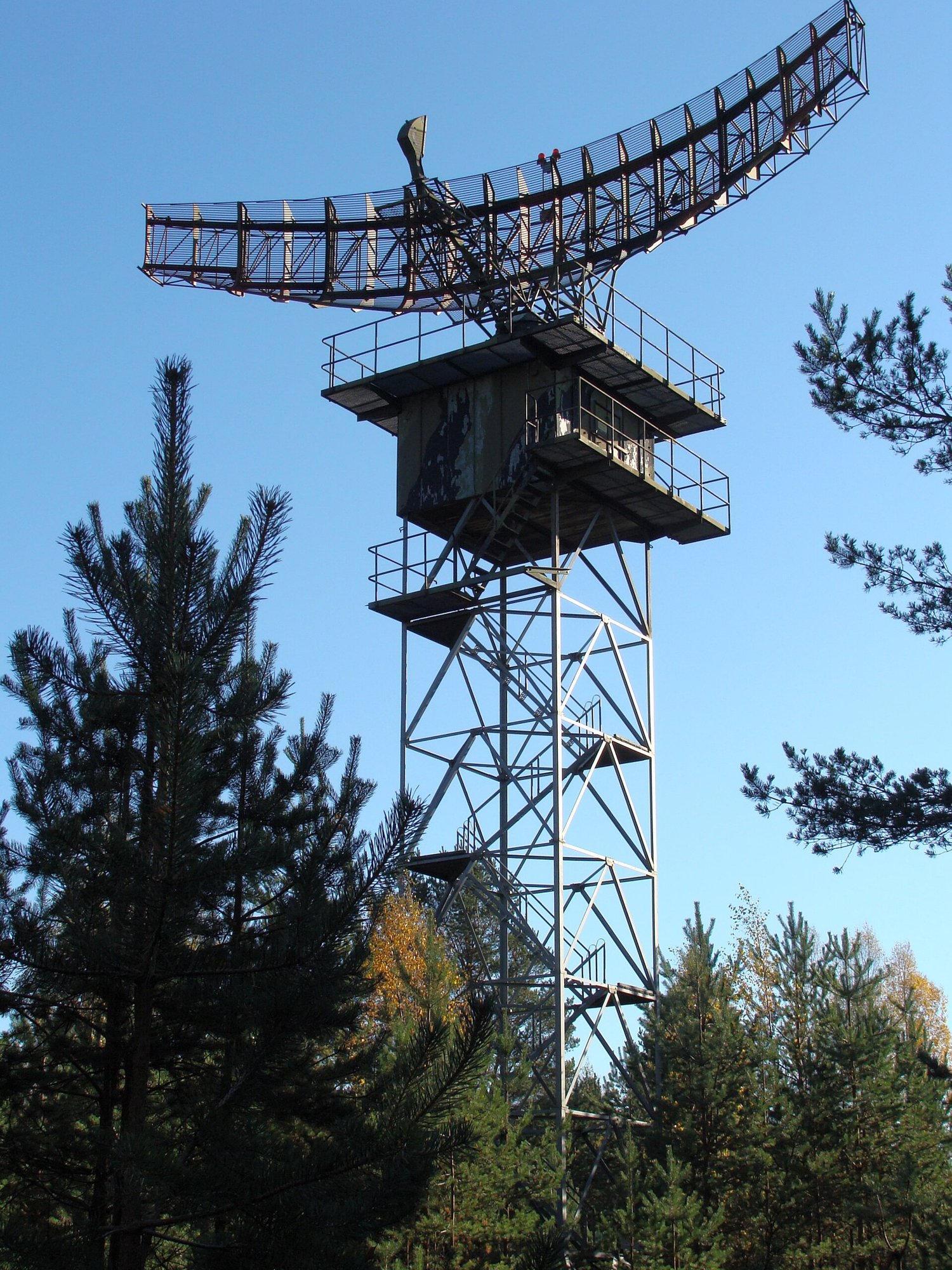
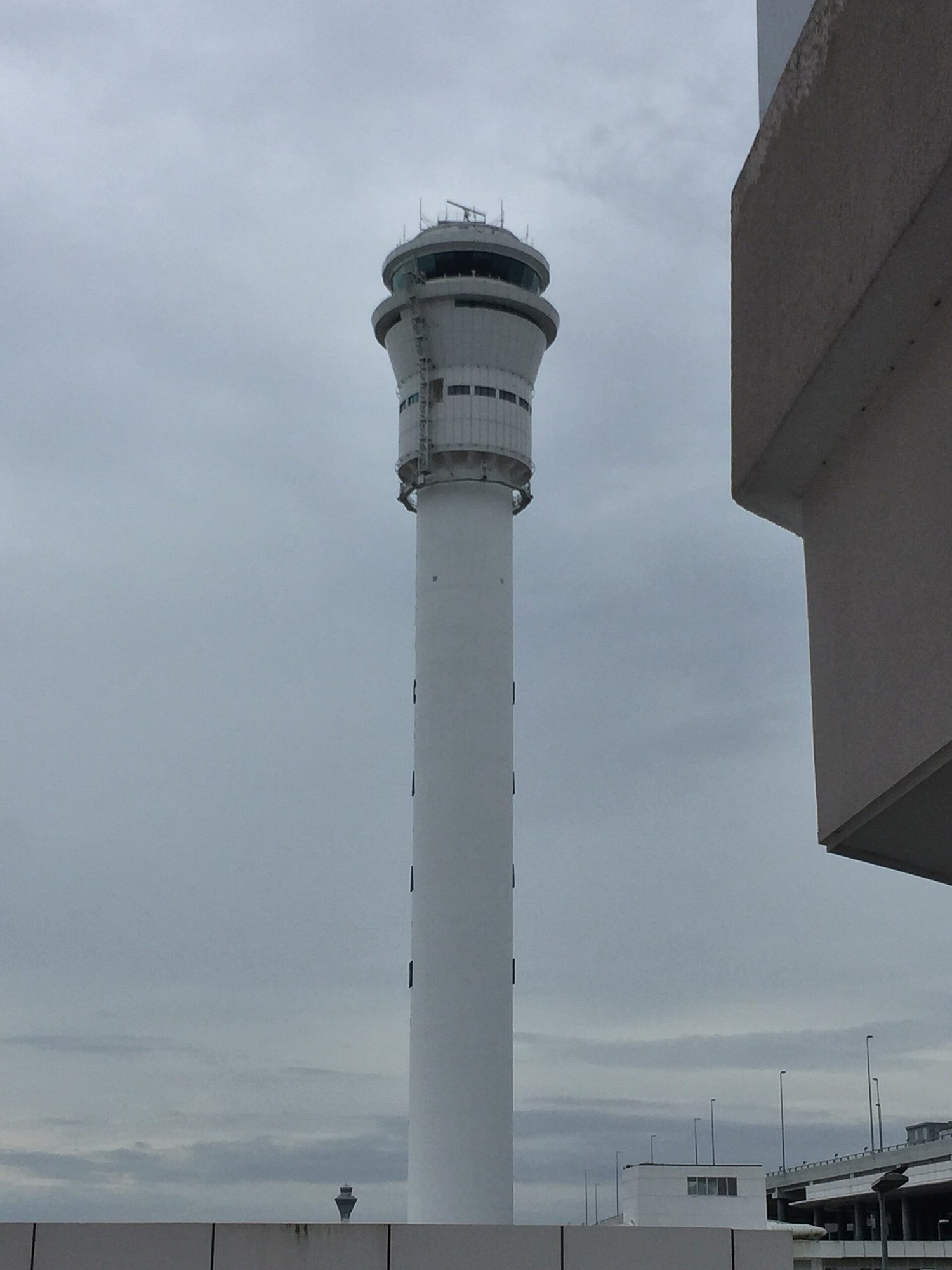
Image credit: cover photo (airport control tower) by Axadem, CC BY-SA 4.0 (https://creativecommons.org/licenses/by-sa/4.0), via Wikimedia Commons; radar antenna photo by Tutkamestari, public domain.