Drone Dock: How to Deploy 24/7 Unattended Inspection
Three in the morning. A substation with not a soul in sight. A drone lifts off automatically from a box on the roof, flies its preset route, captures every meter reading, lands back in the box, recharges itself, and streams the data to the control room. No pilot on site. No one even awake.
That is what a drone-in-a-box does. This article explains what a drone dock really is, how it delivers 24/7 unattended operation, and how our K03 dock + S220 combo lands in the real world.
What the Dock Solves: Taking "People" Out of the Loop
The bottleneck in traditional drone inspection was never the aircraft. It was the people:
- Pilots have to travel with the mission; nobody volunteers for night shifts and bad weather
- Every sortie needs manual takeoff, battery swap and data download — thirty minutes of ceremony per flight
- When something happens suddenly (a midnight alarm, a post-storm sweep), by the time someone reaches the site it is too late
The dock automates all three: automatic takeoff, automatic charging, automatic data upload. The drone lives in the dock, flies out on command, comes back, recharges, and people only look at the data. Inspection frequency goes from "whenever someone is available" to "whenever you want", and the cost model shifts from "staffing a pilot team" to "running a dock".
How a Dock Runs: Four Steps of One Mission
Using our K03 + S220 as the example, a typical unattended mission looks like this:
- Task dispatch. A route, time and frequency are scheduled from the backend (or via API into your platform).
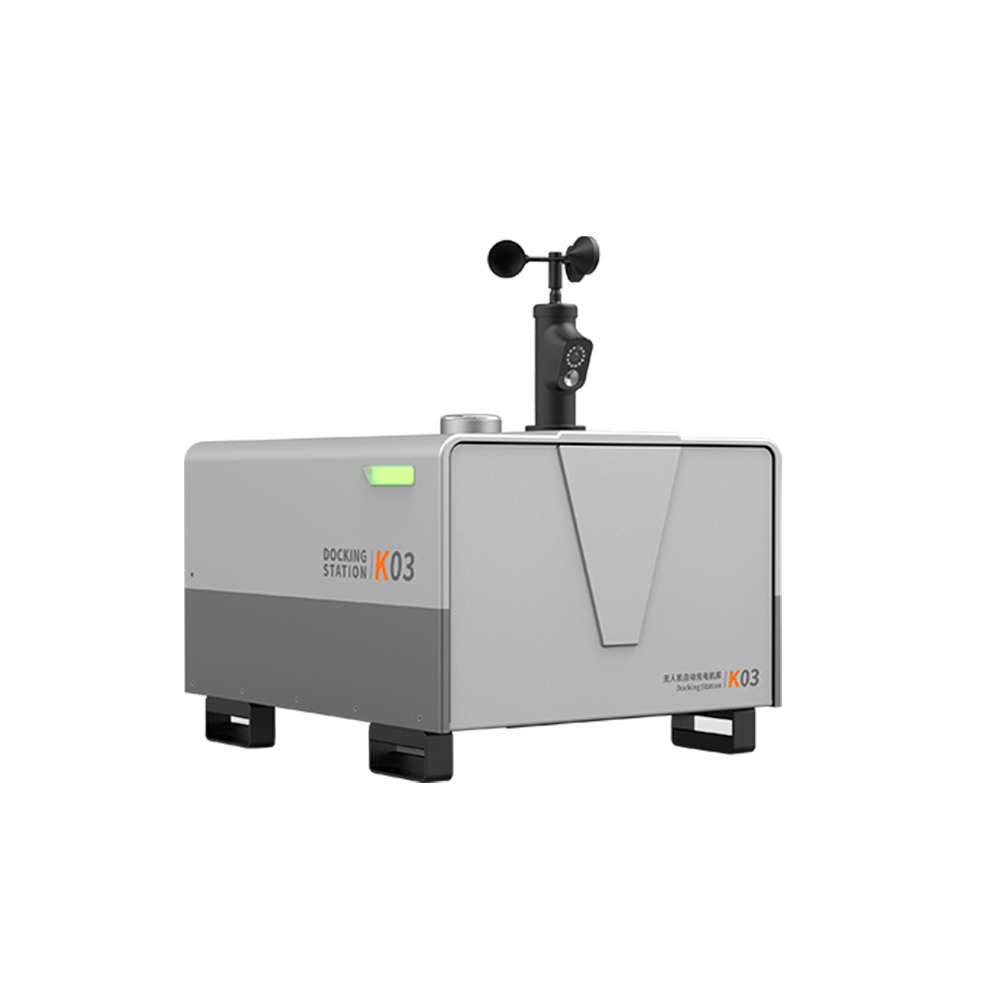
- Automatic takeoff. The dock lid opens — K03 open dimensions 1380×555×370 mm, plenty of room — and the S220 lifts off onto the route.
- Mission execution. The S220 carries the payload through the job: 41-minute endurance, 10x optical zoom and 4K full-color starlight night vision cover day and night, and omnidirectional AI obstacle avoidance keeps it safe around complex sites.
- Auto return and charge. The aircraft lands back in the dock and auto-charges, ready for the next task. Wind resistance of 12 m/s during patrol keeps it flying in gusty conditions.
Through the whole loop, a person appears exactly once — at step 1, pressing "start".
K03 Dock: Specs and Highlights
| Spec | Value |
|---|---|
| Closed dimensions | 650 × 555 × 370 mm |
| Open dimensions | 1380 × 555 × 370 mm |
| Weight | ≤ 50 kg — light enough for roofs and masts |
| Power | Solar-powered, deployable fully off-grid |
| Wind resistance | 12 m/s (during patrol) |
| Compatible aircraft | S220 PRO |
Four highlights worth knowing:
- Flexible deployment: 50 kg means no crane and no heavy machinery — rooftops, fence lines and container tops all work.
- Fast charging: recharges between sorties to support high-frequency schedules.
- Continuous multi-site operations: multiple docks coordinate, rotating through several points in one site.
- Remote management: dock status, battery and mission records are all visible remotely — dispatch from anywhere.
The S220 PRO that flies with it is no consumer toy: octa-core chip with 21T total computing power, omnidirectional AI obstacle avoidance, 4K full-color starlight night vision and 41-minute endurance — plus vision-fusion navigation that brings it home safely even when GNSS and the data link are jammed. It is built for exactly this unattended job.
Where It Fits: Four Typical Deployments
Industrial parks and facilities. Night patrol is where security gets sloppy; a dock drone patrols on schedule all night and raises alarms in real time. Same thinking as the multi-point coordination in our perimeter security drone setup guide — the dock is the guard that never sleeps.
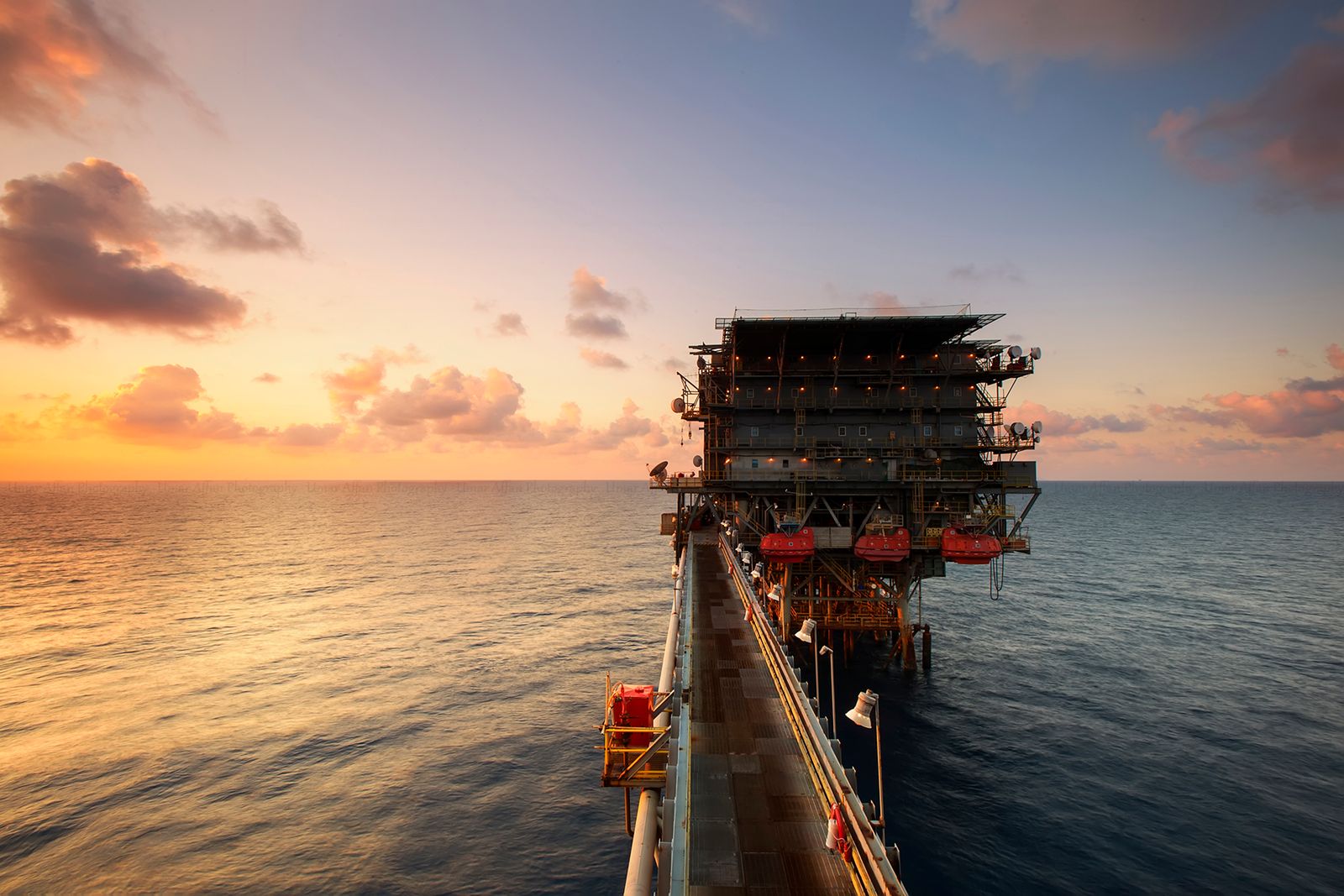
Power and energy sites. Substations, solar farms and oil & gas yards are large, scattered and expensive to patrol by hand. A dock drone flies the schedule and reads meters and equipment temperatures at a glance.
Construction sites and mines. Progress photography, slope checks and helmet detection — a dock drone flies a few sorties a day for less than a permanent on-site crew.
Emergency response. When something happens, the drone is airborne first — the picture arrives before the people do. That is what 24/7 means: no days off, no shifts, always on call. From an industry trend view, the 2025 drone industry report confirmed that buyers are moving to turnkey automated platforms — the dock is exactly that trend made real.
Four Things to Sort Out Before Deploying
A dock is not plug-and-play. Clear these four before committing:
- Site choice. The dock needs flat, open ground (roof or ground level) with clear sightlines — avoid routes blocked by tall buildings.
- Power and network. Solar handles the off-grid power, but the network must be reliable — remote dispatch dies without it. Run dual network backup.
- Compliance. Unattended operation falls under BVLOS, and rules differ by country. Check local flight permissions before deploying.
- Route design. A good auto mission is half route design — obstacles, no-fly zones and return points all need to be mapped up front.
Wrapping Up
A drone dock swaps "staffing pilots" for "running equipment": auto takeoff, auto charge, auto upload, 24/7 with no days off. The K03's 50 kg lightweight build, solar power and 12 m/s wind resistance exist so this automatic sentry can sit anywhere you need it.
Want to evaluate whether a dock fits your site? Send us the site location, patrol area, task frequency and current network setup — we will run the "dock vs. manned" cost comparison and deliver a deployment plan with siting advice. Use the chat button in the corner or drop an inquiry.