Integrating Drone Patrols with CCTV and Sensor Networks: Building a Unified Perimeter Security System
The Problem of Disconnected Security Systems
Most critical infrastructure facilities operate multiple security subsystems that function in isolation. CCTV cameras record events they happen to capture. Motion sensors on fences generate alerts that security teams must manually investigate. Access control systems log who enters and exits specific doors. Each system works well within its own domain, but together they form a fragmented picture — like seven blind men describing an elephant, each touching a different part but none seeing the whole animal.
This fragmentation creates critical gaps. A fence sensor may trigger at 03:00 AM, alerting the operations center to a possible breach. But the nearest CCTV camera is pointed at the main gate, not the fence section where the sensor fired. The security team dispatches a guard to investigate, who arrives 12 minutes later to find nothing — a deer had triggered the sensor. Meanwhile, a second sensor triggers at a completely different location, and the guard is still en route to the first false alarm.
The problem is not the quality of individual systems. Modern CCTV cameras, sensor networks, and access control systems are all highly capable technologies. The problem is the lack of coordination between them — no central nervous system that can correlate events across subsystems, prioritize responses, and deploy the right resource to the right place at the right time.
The Drone as the Missing Link
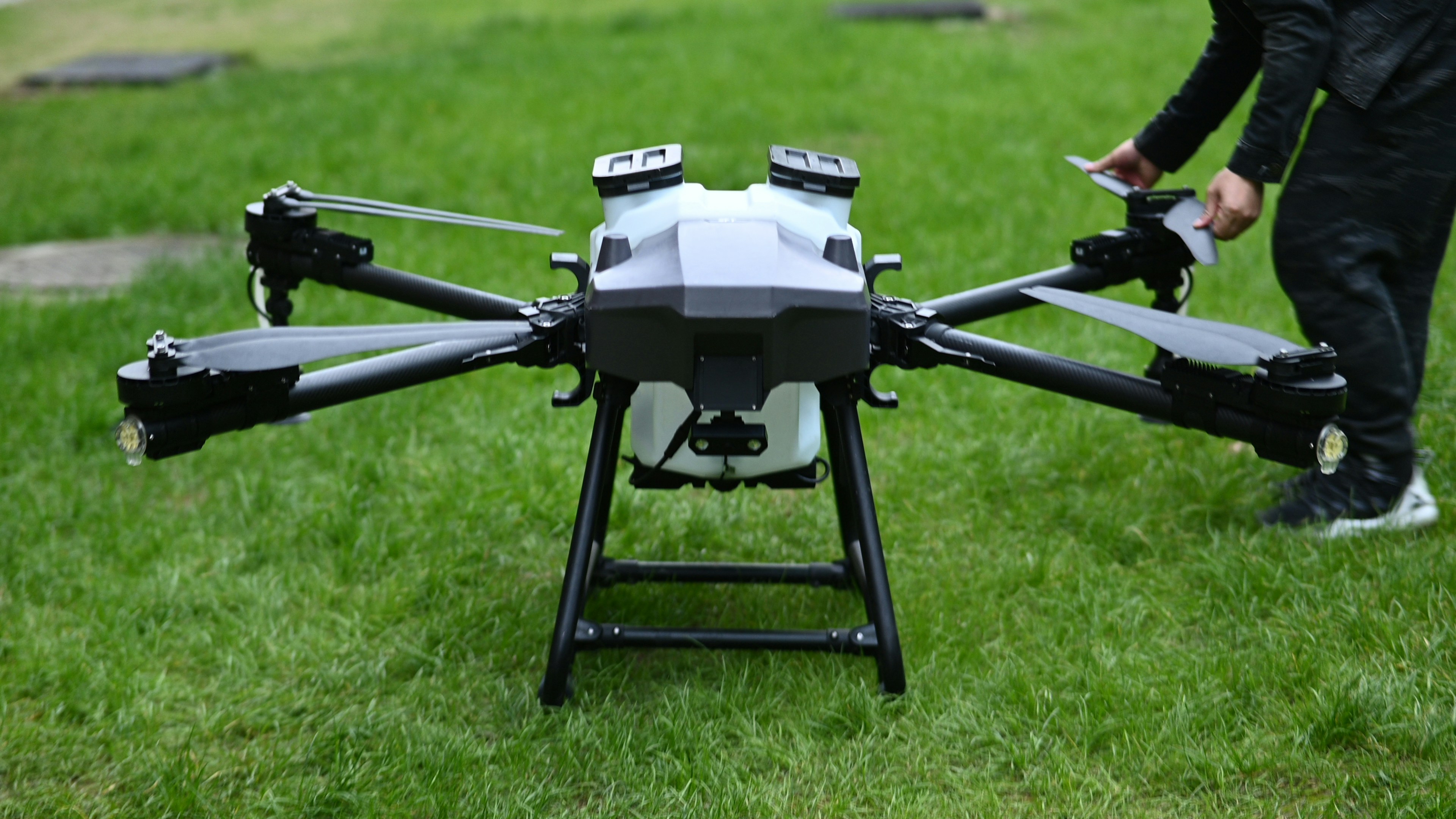
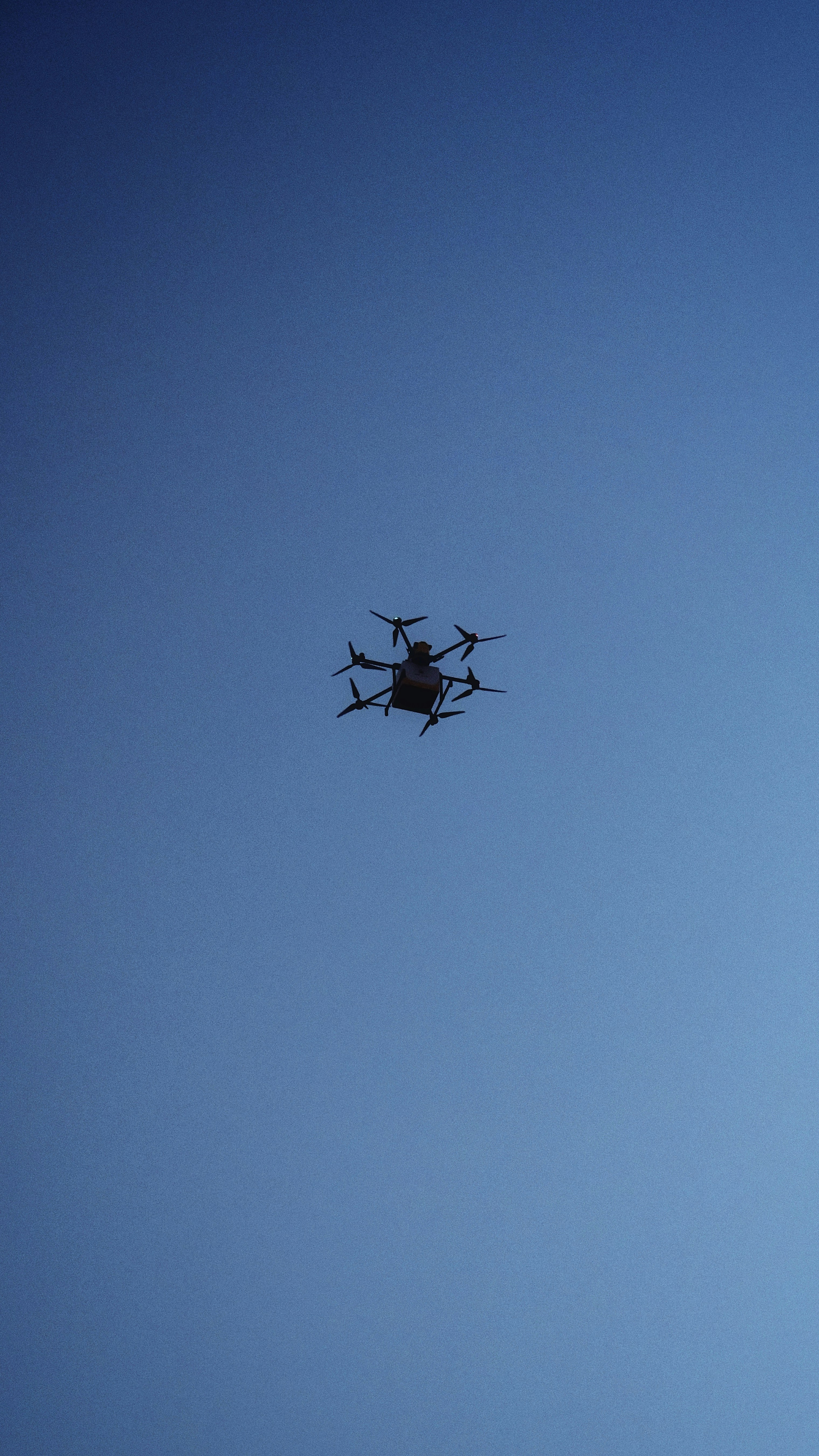
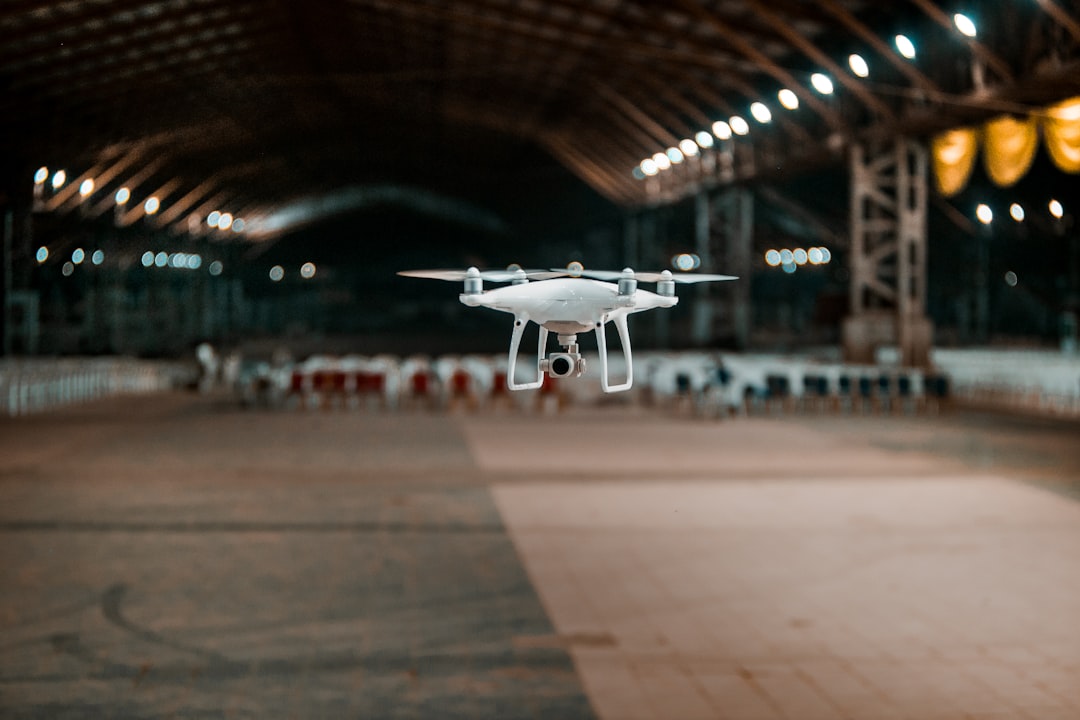
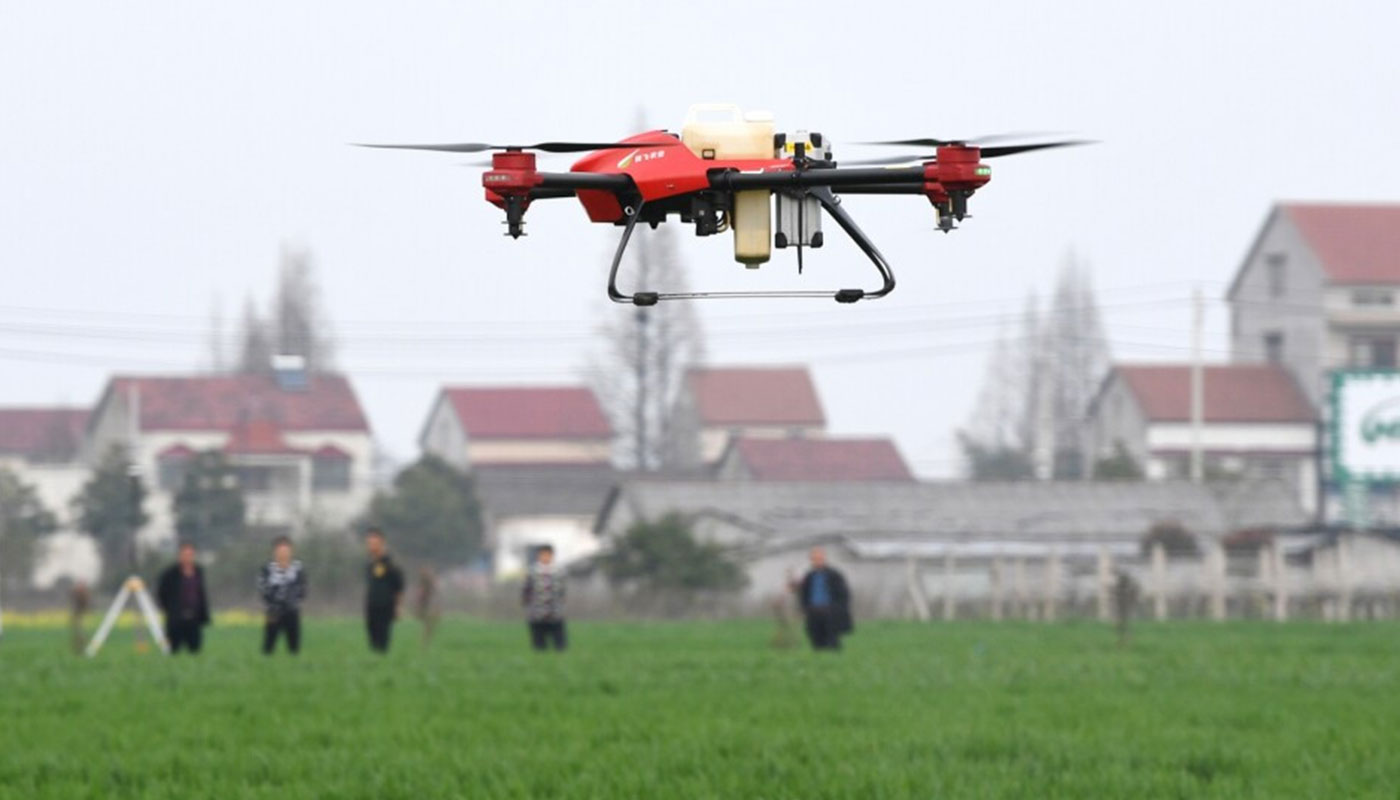
Autonomous drone patrols fill this coordination gap by acting as a mobile, intelligent bridge between your existing security subsystems. When integrated through platforms like DJI FlightHub 2, drone systems become an active participant in the security ecosystem rather than a standalone tool.
Here is how the integration works in practice:
Sensor-to-drone correlation. When a fence sensor or ground-level motion detector triggers an alert, the FlightHub 2 platform receives the event via API. Instead of immediately dispatching a guard, FlightHub 2 queries the nearest docked drone's status. If a drone is airborne on a routine patrol nearby, FlightHub 2 instructs it to divert to the alert coordinates for visual verification. If no drone is airborne, the nearest dock initiates an emergency launch. Within 2 to 3 minutes, a live video feed from the drone's camera arrives at the operations center screen, allowing operators to confirm or dismiss the alert without sending a guard to the scene.
CCTV handoff. When a fixed CCTV camera detects an anomaly — a vehicle stopped in a restricted area, a person climbing a fence — the video management system (VMS) can automatically notify FlightHub 2 via API. FlightHub 2 then directs the nearest drone to fly to the camera's field of view and capture higher-resolution imagery, thermal data, or a wider-angle perspective that the fixed camera cannot provide. This CCTV-to-drone handoff transforms a passive recording system into an active investigative capability.
Access control escalation. When an access control system records an unauthorized entry attempt — a forced door, an invalid badge swipe — this event can trigger an immediate drone response. The drone flies to the affected entrance, streams live video to the operations center, and can activate its onboard siren and warning light to deter the intruder while security personnel decide on the next course of action.
Architecture of a Unified System
Building a unified perimeter security system requires three integration layers:
1. Event ingestion layer. FlightHub 2's open API accepts event streams from all existing security subsystems — CCTV VMS platforms (via ONVIF or REST APIs), fence sensor controllers, access control panels, and environmental monitors. Each event is tagged with metadata including timestamp, location coordinates, severity classification, and source system identifier.
2. Correlation and prioritization engine. Events from multiple sources are correlated spatially and temporally. A fence sensor alert at coordinates X,Y at 03:14:22 is evaluated alongside any CCTV alerts from cameras within a 200-meter radius during the same minute. If multiple subsystems report activity in the same geographic area within a short time window, the correlation engine elevates the event's priority from "investigate" to "confirmed threat." Conversely, if a fence sensor fires but no corroborating activity is detected by nearby cameras or drones, the event is classified as a probable false positive.
3. Resource dispatch layer. Based on event priority and available resources, the dispatch layer determines the optimal response. Low-priority events may be handled by an already-airborne drone on a routine patrol. High-priority events trigger emergency dock launches. Confirmed threats may escalate to simultaneous multi-drone deployment, with one drone maintaining surveillance while another positions for closer investigation.
Practical Integration Scenarios
Scenario 1: Overnight perimeter breach attempt. At 02:30 AM, a thermal fence sensor near the northwest corner of a power substation triggers. The VMS automatically queries nearby CCTV cameras — none are pointed at that fence section. FlightHub 2 receives the sensor event and instructs Dock A (located 200 meters from the alert) to launch. The M30T drone takes off, flies to the sensor coordinates, and its thermal camera detects two heat signatures moving along the fence line. The drone zooms in with its 20X optical zoom, captures clear imagery, and streams it to the operations center. The security team confirms unauthorized persons, notifies law enforcement, and the drone maintains visual contact until authorities arrive.
Scenario 2: Daytime suspicious vehicle. During daylight hours, a CCTV camera at a logistics facility's loading dock records an unidentified vehicle circling the perimeter multiple times. The VMS flags the event and sends it to FlightHub 2. A drone currently on a routine patrol is redirected to the loading dock area. From its elevated position, the drone captures license plate imagery and thermal signatures of occupants, providing information that ground cameras could not obtain. The data is archived and shared with facility security for follow-up.
Scenario 3: Multi-alarm confusion resolution. During a severe storm, multiple fence sensors across a 50-hectare facility trigger simultaneously due to wind-induced vibration. Without drone integration, the operations center would be flooded with 15 to 20 simultaneous alerts, requiring guards to be dispatched to multiple locations — most of which would turn out to be weather-related false alarms. With FlightHub 2 integration, the correlation engine evaluates all simultaneous alerts, identifies the wind-vibration pattern, and downgrades the event cluster to "weather-related, low priority." A single drone is dispatched to visually confirm the sensor cluster area, and the operations center receives a consolidated report instead of 20 individual alarm notifications.
Implementation Considerations
Integrating drone patrols with existing security infrastructure requires careful planning. Key considerations include:
- API compatibility: Verify that your existing CCTV VMS, sensor controllers, and access control systems support open API integration (REST, MQTT, or ONVIF).
- Network bandwidth: Live drone video streams require sufficient bandwidth. Ensure your facility's network can handle concurrent HD video feeds from multiple drones without degrading existing CCTV traffic.
- Event routing rules: Define clear rules for which types of events trigger drone responses and at what priority level. Over-triggering leads to drone fatigue and operator desensitization.
- Operator training: Security personnel must be trained to interpret integrated event feeds and understand the relationship between ground-based alerts and aerial verification.
Conclusion
A unified perimeter security system that integrates autonomous drone patrols with existing CCTV, sensors, and access control creates a security architecture far greater than the sum of its parts. By transforming isolated subsystems into a coordinated ecosystem, facilities achieve faster threat verification, reduced false alarm response burden, and a level of situational awareness that was previously impossible with ground-based systems alone.
If you are evaluating drone integration with your existing security infrastructure, our team can help design an architecture that leverages your current investments while adding the aerial dimension that modern perimeter security demands.