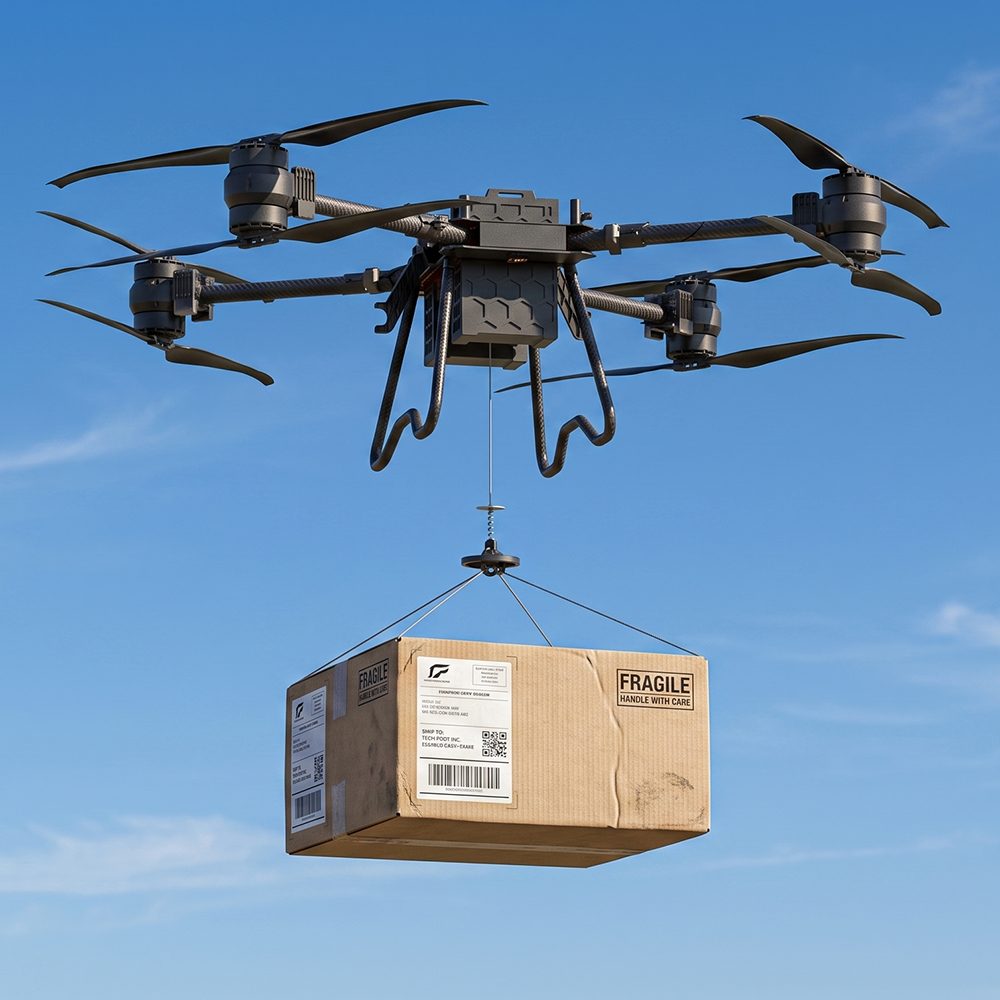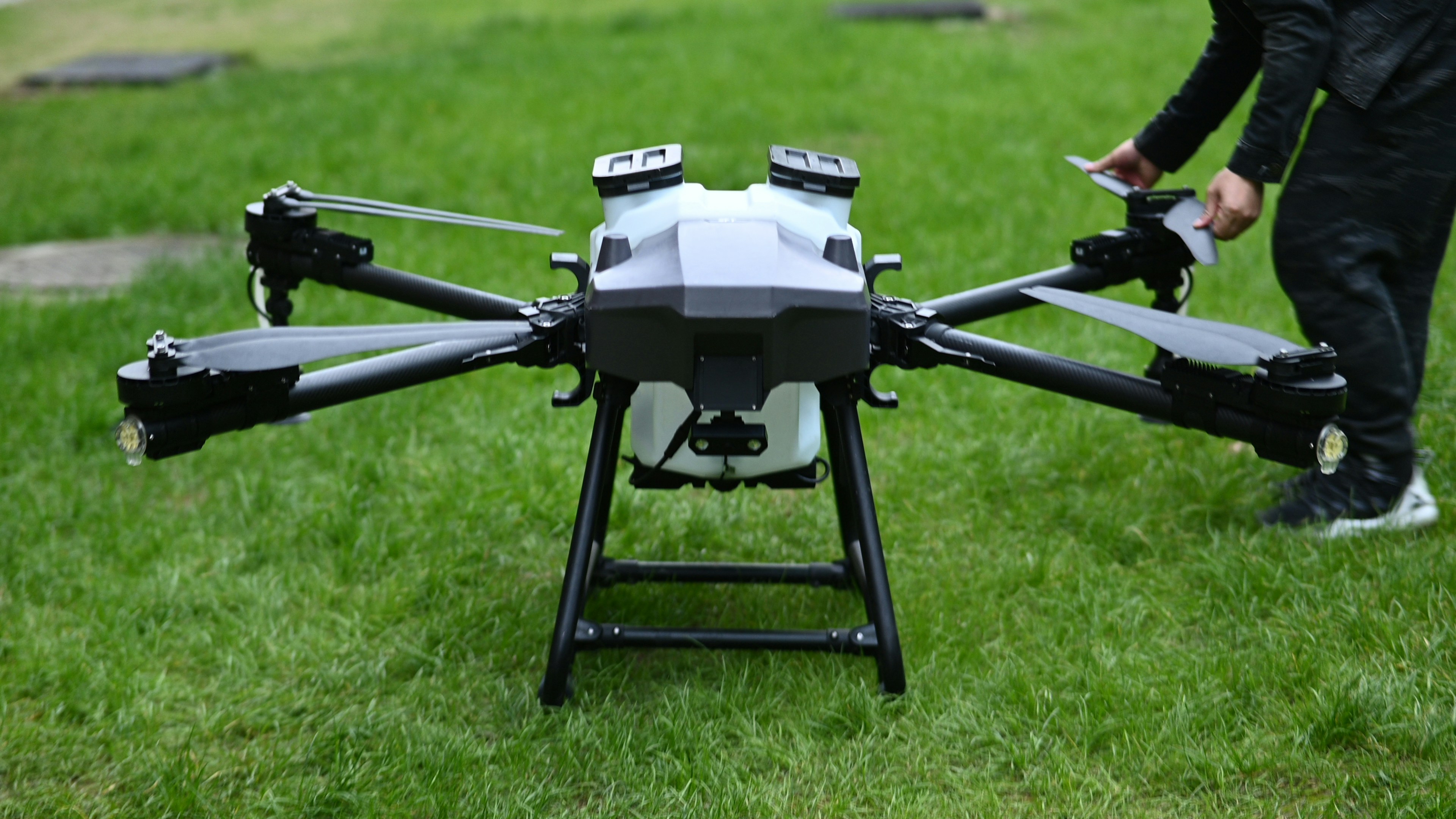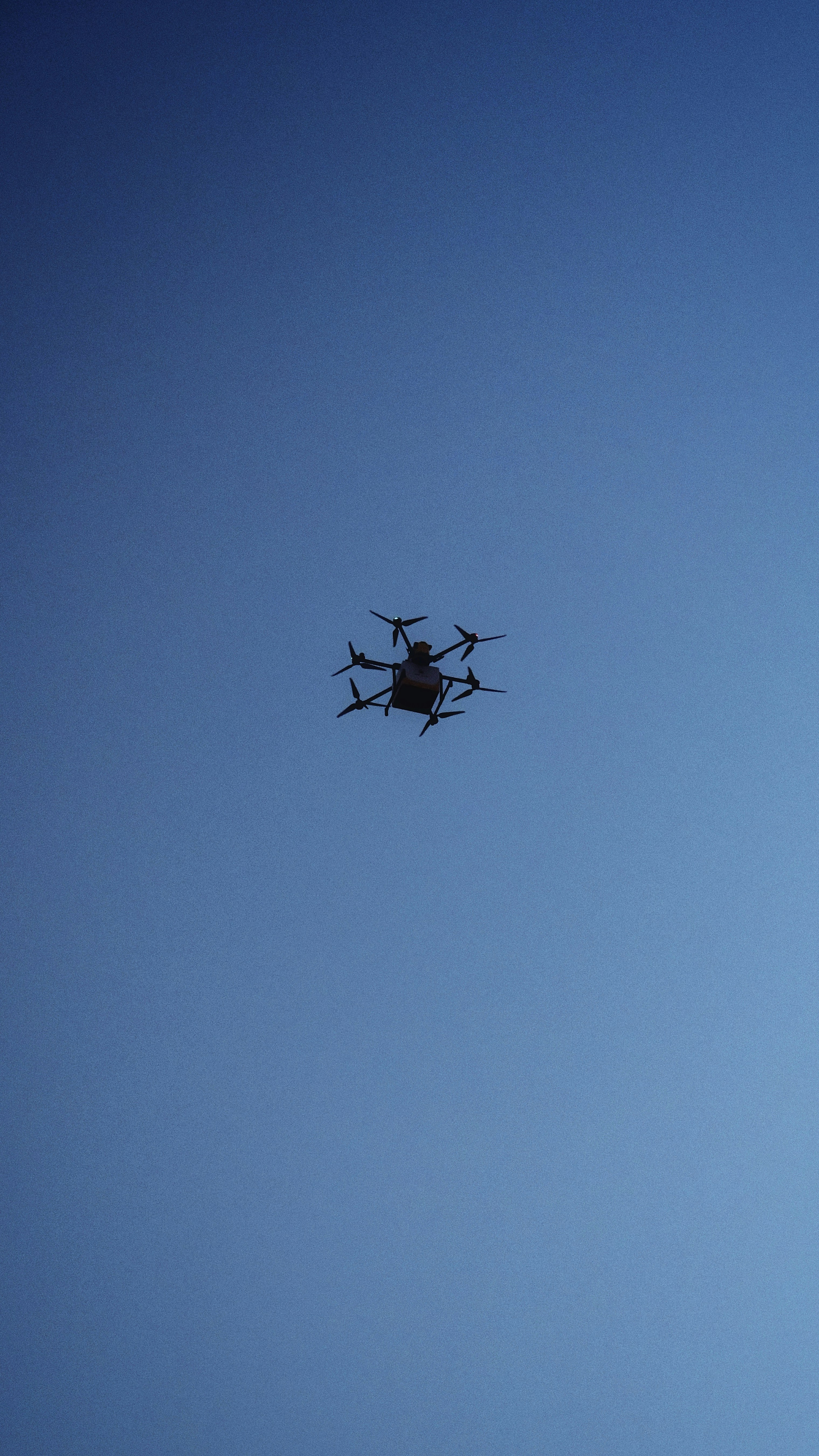
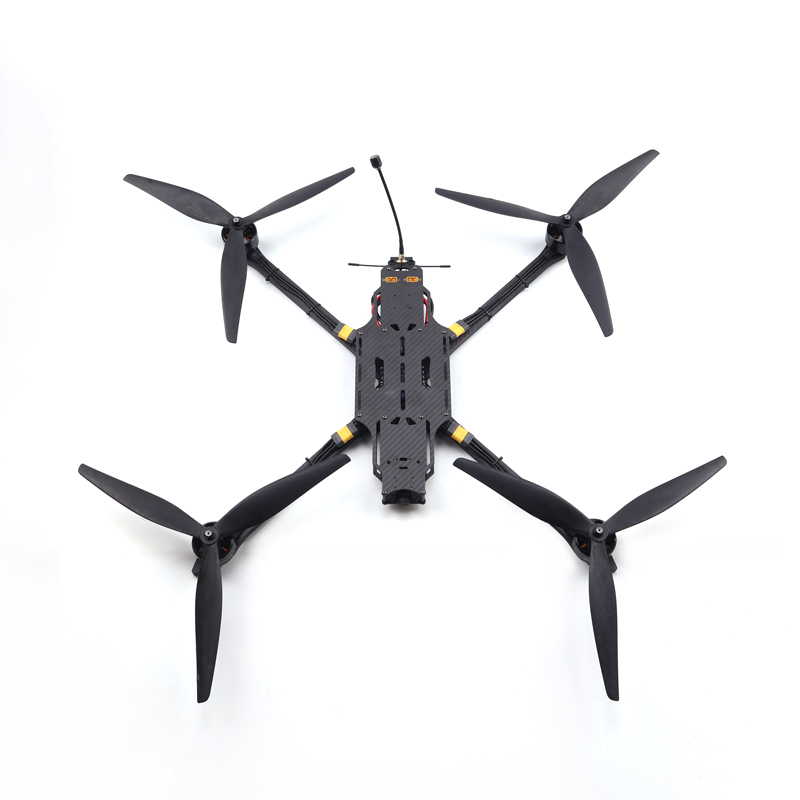
The question we hear most from dealers: "What size FPV drone should I buy?" In puyudrone's distributor conversations, this comes up in nearly every demo. Honestly, there is no single right answer — a 7-inch and a 15-inch FPV drone are worlds apart: one slips into a backpack, the other needs two people to carry. This guide lays out the four models in the same series we have hands-on experience with (7 / 10 / 13 / 15 inch) so you can match the airframe to the mission instead of buying on a hunch.
Let's set the positioning first: all four are civilian industrial utility platforms built for reconnaissance, inspection, and light payload delivery — not racetrack toys. Every spec below comes straight from the factory sheet, no padding.
What Is an FPV Recon Drone (Civilian Industrial Platform)
In plain terms: an FPV drone is a "first-person-view drone" — the nose camera streams live video to the pilot's goggles or screen, so the pilot flies as if sitting inside the aircraft. It differs from a typical camera drone: a camera drone has laggy video and the pilot watches a ground station; an FPV drone is built for low latency and high agility, able to duck into a workshop or skim along a pipeline.
Our four-model lineup is a commercial FPV drone series positioned for "industrial recon + inspection + light payload delivery": power-line patrol, site security, oil & gas facility checks, and disaster-site surveys all rely on it. It stays clear of combat use — it is a tool aircraft for engineering crews and distributors.
How It Works (FPV Video Link Principle)
Three core pieces: camera → video transmitter → control link.
- Camera: all four ship with 1500TVL analog clarity, enough to read structures and gauges; swap in a digital link module for 4K detail.
- Video link: 5.8G 3W transmit pushes the picture back to the ground with low latency. Control / video range is 5–10 km (by model).
- Control link: ELRS 915MHz returns stick commands with better penetration and range than 2.4G.
- Frame: T300/T700 carbon fiber — tough, easy to repair, cheap spare parts.
One line: stable link, tough build, easy repair — what an industrial site cares about most, not flashy tricks.
Clearing a misconception up front: the "10 km" quoted for a long range FPV drone is the distance the control and video signal can reach, not a delivery radius meaning "fly 10 km out, drop cargo, and fly back." The signal may reach, but the battery may not make the round trip.
Where It Is Used (Civilian / Industrial Scenarios)
The four sizes do different jobs:
- Urban and campus security patrol: between buildings, inside utility corridors, around perimeter fences — small sizes slip in where others can't.
- Power / industrial inspection: towers, plant equipment, rooftop solar — fly close to catch hot spots and cracks. An industrial inspection drone earns its keep here.
- Oil & gas and infrastructure patrol: plants, tank farms, pipelines — mid-to-long-range models cover wide areas.
- Disaster-site survey: see a collapse or flood scene first, without sending a person into danger.
- Light payload delivery: first-aid kits, small spare parts, carried on a light drop rig (a DJI-ecosystem accessory, labeled honestly).
All of these are civilian / commercial uses — no combat writing, no weaponization.
Real Spec Comparison of the Four Models
| Model | Max speed | Video / control range | Max payload | Empty endurance | Loaded endurance | Frame |
|---|---|---|---|---|---|---|
| 7 inch | 150 km/h | 5–10 km | 1.5–2 kg | ~30 min | 8–12 min | Mark4 carbon |
| 10 inch | 150 km/h | 8–10 km | 2.5–3 kg | 30 min | 8–12 min | Mark4 / 427mm wheelbase |
| 13 inch | 130 km/h | 10 km | 5–6 kg | 30 min | 8–10 min | True X / 700mm wheelbase |
| 15 inch | 130 km/h | 10 km | 7.5 kg | 35 min | 8–15 min | True X / 700mm wheelbase |
How to Choose Size by Mission
7 inch — agility is king
Top speed 150 km/h, payload 1.5–2 kg, control range 5–10 km. Small enough for one person to carry in a backpack; best for urban gaps, inside plants, close recon. The drawback is obvious: it drifts in wind and carries little.
10 inch — the all-rounder
Still 150 km/h, but payload rises to 2.5–3 kg, control range 8–10 km. Daily pipeline inspection, site patrol, and a light payload drop on the side — it handles most of it. For a dealer's first demo unit, our engineers usually suggest starting at 10 inch.
13 inch — industrial heavy lifter
Speed drops to 130 km/h in exchange for 5–6 kg payload and 10 km control range. Mid-size equipment transfer and longer inspection runs are its turf. 700mm wheelbase, steadier frame, noticeably better wind resistance than the small sizes.
15 inch — heavy load, long haul
Max 7.5 kg payload, 10 km control range, 35 min empty. This is the tier that lifts the most and flies the steadiest in the series — heavy recon, cargo sling, complex-environment work all fit. The cost is size: transport needs planning.
Three Rules of Thumb for Picking a Size
Three things decide it: how far you fly is set by control range, how much you lift is set by payload, how tough it is set by frame and wind resistance. In that triangle you can only secure two first — go light and you lose payload, go heavy and you lose portability. No all-rounder, only the right fit.
Why the Market Is Growing (Data from Third Parties)
This is not a blind pitch — a few numbers for drone distributors to judge by (all from third-party research, no guesswork):
- Per PW Consulting, the global FPV drone market was about USD 2.15 billion in 2025 and is projected to reach USD 7.05 billion by 2032, a 18.5% CAGR.
- The industrial inspection drone segment was about USD 419 million in 2025, growing at 15.9% CAGR (Dataintelo).
- Most relevant to your home turf: the Middle East and Africa inspection drone market is forecast at a 19.4% CAGR — the fastest in the world; Africa / Middle East UAV inspection service orders rose +53% year-on-year in 2025 (Fortune Business Insights / IIM reports).
- One upward signal: BVLOS (beyond visual line of sight) operations are loosening — the US FAA "BEYOND" program issued 1400+ BVLOS waivers in 2025, up roughly 5x from under 280 in 2022. Once BVLOS spreads, the working radius of long-control-range models gets redefined.
The message is plain: energy, infrastructure, and security customers across the Middle East and Africa are adding orders; long range FPV drones and industrial inspection drones are the stock to carry these two years.
Common Misconceptions
- The 8–10 km video range is "how far the control and video signal reaches," not a delivery radius of "fly 8–10 km out with cargo and back." Loaded endurance is only 8–15 minutes — budget by the loaded figure.
- These four are industrial utility platforms, not racers — don't apply racetrack thinking.
- Endurance numbers are ideal values; wind, temperature, and payload all cut into real flight time. Size by loaded conditions.
Customization and "Sourcing Beyond Catalog"
These four are base sizes; in real projects the dimensions and payloads can be tuned to need. Need a gimbal for recon or a light drop rig for delivery — we can configure it. Drop rigs of this kind are DJI-ecosystem accessories, labeled honestly as "compatible with DJI industrial aircraft," no exaggeration. If the model your project needs isn't in our catalog, use "sourcing beyond catalog": send the mission brief and our supply chain sources it for you.
Related reading: Remote Area Drone Delivery Guide, Agricultural Crop Protection Drone Guide.
FAQ
Q: Which of the four is best for a new distributor to demo?
A: 10 inch. Balanced, easy to fly, covers most demo scenes, and clients get it at a glance.
Q: Does 10 km video range mean it can deliver 10 km away?
A: No. 10 km is the control / video range; loaded endurance is 8–15 minutes. Real working radius must leave margin for the round trip and battery, not equal the delivery distance.
Q: Can these carry a loudspeaker or spotlight?
A: The airframe has mount points for light payloads; loudspeakers, spotlights, etc. are DJI-ecosystem accessories, configured on demand and labeled honestly with the compatible model.
Q: Can size and payload be customized?
A: Yes. Beyond the four base sizes, dimensions and mounts can be customized per project; models not in catalog can be sourced beyond catalog.
Q: Is the factory endurance rating accurate?
A: Ratings are mostly ideal-condition empty values; wind, temperature, and payload all shorten real flight time. Size by loaded conditions.
Q: Is this series civilian or military?
A: Civilian industrial platform, positioned for recon, inspection, and light payload delivery — not combat use.
Conclusion
Pick the right size and the project is half done. Send us your mission scene (how far, how much load, what environment) and we will size it, fit the payload, and source beyond catalog if it isn't in stock. Submit your requirement via the inquiry page.