Border Security Drone Guide: AI Tracking + Thermal Surveillance
Years of exporting to the security industry, border patrol and critical infrastructure protection are the two most solid inquiry categories — customers are not asking about price, they are asking "will this actually work?" Border lines run hundreds to thousands of kilometers; power grids, reservoirs, oil depots and ports are large and scattered. Manual patrols and fixed cameras always have blind spots — that is the value space for drones.
But "security drone" and "flying and filming" are two different things. This guide covers: how AI tracking and thermal surveillance work together, how to catch night border crossings, how to integrate with existing CCTV/alarm systems, and the traps that sink projects.
Updated August 2026, based on public information and field experience.
Key numbers at a glance (market heat + tech specs, worth the read?):
- Global surveillance drone market ≈ USD 8.3 billion in 2026, projected to USD 32.9 billion by 2036 (14.8% CAGR, Fact.MR data)
- Border surveillance is among the fastest-growing applications: 15.2% CAGR; defense & border security end users hold 39% of the surveillance drone market (2026)
- Fixed-wing border patrol drones cover hundreds of kilometers per flight, with thermal + night vision for 24/7 monitoring
- Thermal surveillance detects moving targets in complete darkness — night border crossing is the core scenario
- AI identifies people/vehicles/anomalous behavior automatically; operators only intervene on alerts
- Drone-in-a-box linked to alarm systems, seconds-to-launch response; thermal detect → AI judge → gimbal track → command center feed: a complete closed loop
Why border and critical infrastructure are the most solid demand
These two customer types share one trait: too large an area, too dangerous an environment, too few people.
- Border/coastline: traditional methods are physical barriers + patrol teams + watchtowers — costly, limited coverage, impossible in desert and mountain terrain. A border patrol drone flies hundreds of kilometers per sortie with night thermal imaging — something ground forces cannot do
- Critical infrastructure: power plants, substations, oil depots, water treatment, airports and ports with perimeters of kilometers — fixed cameras have blind spots, patrol staff have gaps. Perimeter security drones add "dynamic perspective + rapid response"
Market heat (data speaks): security drones are not a niche — industry reports value the global surveillance drone market at ~USD 8.3 billion in 2026, heading to USD 32.9 billion by 2036 (14.8% CAGR); border surveillance grows at 15.2%, and defense & border security account for 39% of end-user demand. On the search side, surveillance drone and border security drone queries cluster around border patrol, critical infrastructure protection and law enforcement. This is a scaling market, not a fake need.
In one line: customers are not buying drones, they are buying "see it + hold it + get there fast".
AI tracking + thermal surveillance: how the combo works
① Thermal handles "seeing" (the core of thermal surveillance drones)
- Works in complete darkness, detects heat signatures of people and vehicles
- Penetrates sand, fog and low visibility far better than visible light
- Night crossings, concealed approaches, hidden vehicles — thermal surveillance drones catch them first
② AI handles "judging" (AI security drones don't need eyes on screen)
- Auto-identifies people, vehicles, vessels, distinguishing "animal intrusion" from "person crossing"
- Detects anomalous behavior (lingering too long, evasive routes, zone entry) and alerts automatically
- Frees security staff from staring at monitors — alerts only, human intervenes — the dividing line between a security patrol drone and a consumer camera drone
③ Gimbal lock handles "holding" (targets don't escape)
- Once a target is selected, the intelligent gimbal auto-tracks regardless of movement
- Continuous zoom keeps faces/plates/details (see AI tracking gimbal payload)
- The command center watches "what the target is doing" in real time — decisions with evidence
④ Drone-in-a-box + integration handles "speed" (autonomous patrol, seconds to launch)
- Alarm-linked: alarm triggers → drone launches in seconds → auto-flies to the scene
- When perimeter sensors/CCTV alarm, the autonomous patrol drone arrives first with live video (see drone-in-a-box for 24/7 unattended inspection)
- Before personnel arrive, the scene is already clear
Three typical deployments
1. Border/coastline wide-area patrol
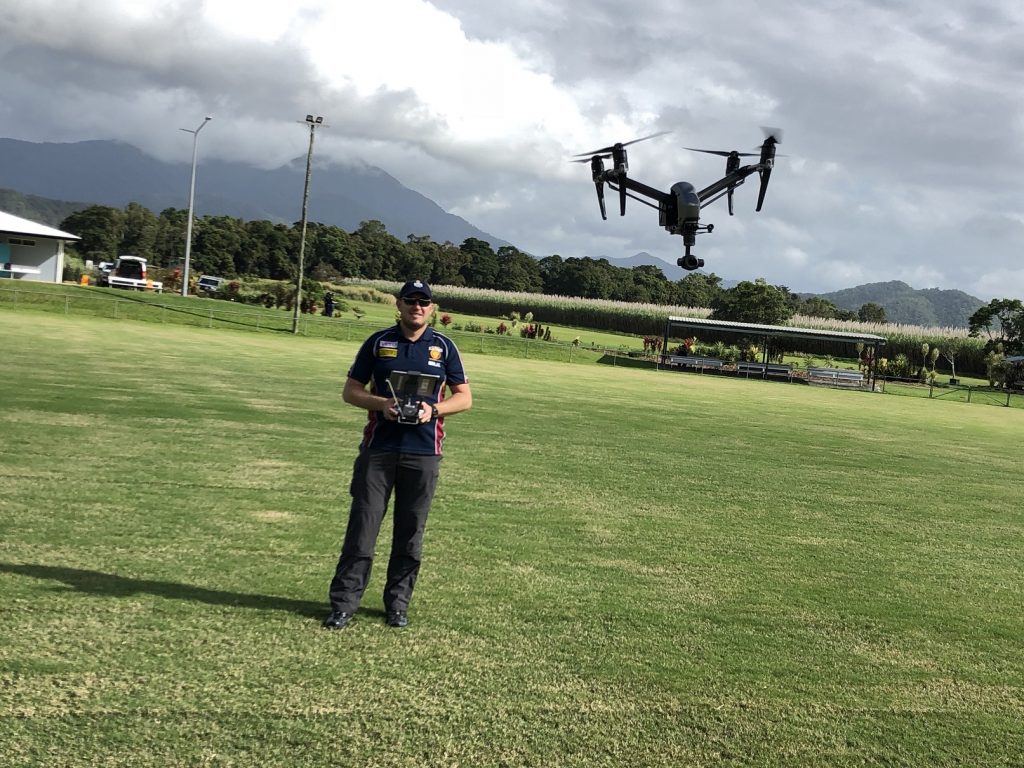
Fixed-wing or long-endurance border patrol drones cruise the border line, thermal-scope at night, auto-switch to gimbal tracking on anomalies, and relay positions to patrol teams in real time. Hundreds of kilometers per flight — a border line goes from "patrolled weekly" to "patrolled daily".
2. Critical infrastructure perimeter protection
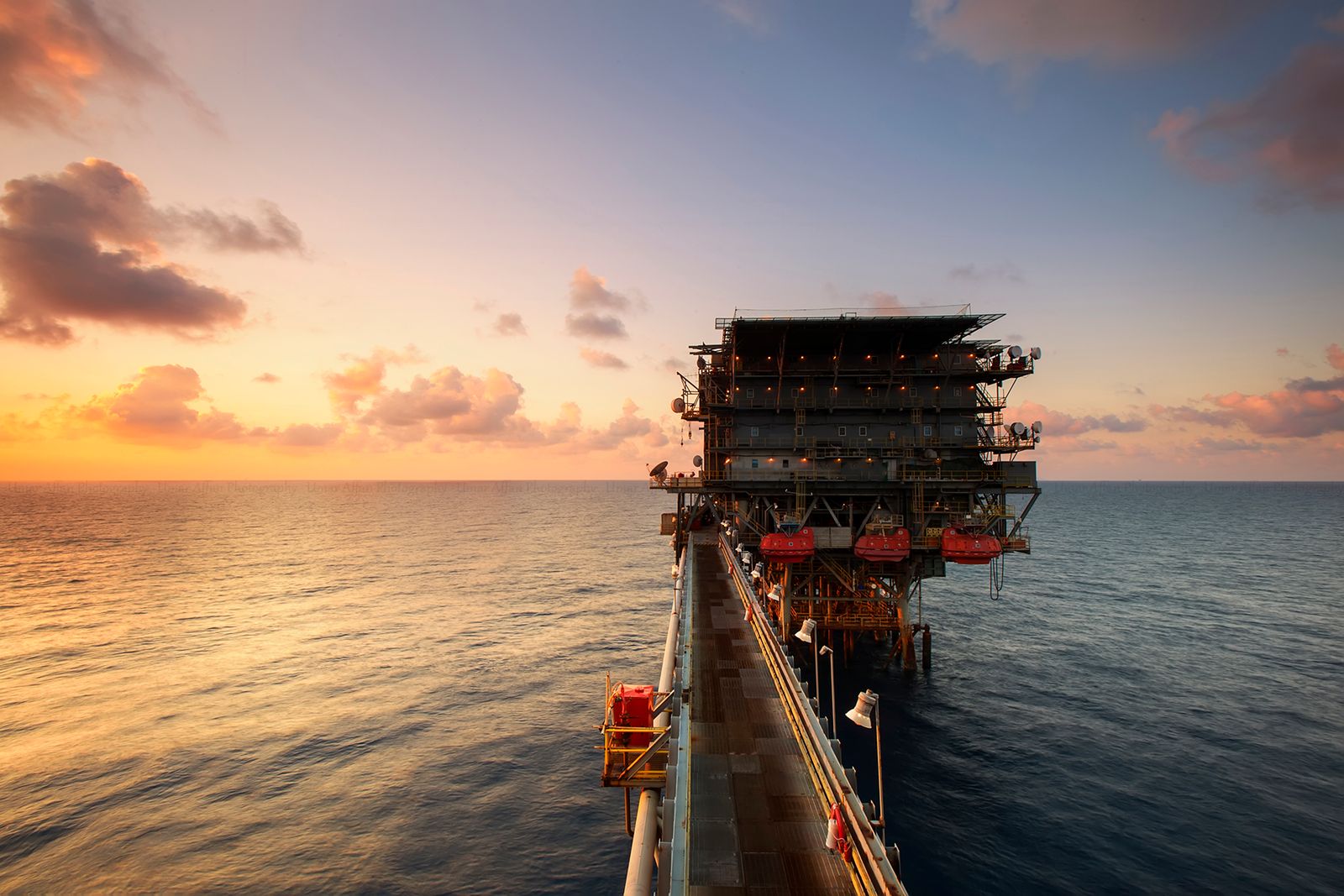
Oil depots, power plants and water facilities use drone-in-a-box for 24/7 perimeter patrol + alarm integration (see automated perimeter surveillance for critical infrastructure). The point is not "flying nicely" — it's integration with the customer's existing CCTV/alarm systems: camera alarms, perimeter security drone confirms.
3. VIP security and law enforcement support
Large events, VIP protection and emergency airspace coverage. Law enforcement drones provide "mobile perspective" — wherever needed, faster than erecting cameras. In emergencies they arrive first with live feeds to support ground forces.
Equipment selection: four core criteria
| Criterion | Requirement | Why |
|---|---|---|
| Thermal resolution | 640×512 minimum | The dividing line for night detection range and recognition |
| AI recognition | People/vehicles/anomalous behavior | Defines "alert quality" — too many false alerts and customers abandon the system |
| Gimbal tracking | Target lock + auto-follow | Defines "can you hold the target" |
| Endurance/refueling | Long endurance or dock hot-swap | Defines "coverage duration" — 24/7 demand requires a dock |
For channel partners: border and facility customers fear two things — too many false alerts (an AI that flags birds as people gets returned) and no integration (drone and monitoring system working separately). Solve these two in selection and design, and the project is won.
Deployment rhythm
- Pilot one scenario (one patrol route / one facility perimeter), 2-4 weeks of trial, produce real data on "anomalies found, response time"
- Integrate with the customer's existing systems — the key; an integrated solution is a solution
- Scale after the pilot: border projects replicate "line by line"; facility projects replicate "site by site"
Retrospective: the four traps in security projects
- Signing contracts without measuring AI false-alert rate — field conditions (birds, animals, shadows) differ completely from demo environments; over the tolerance line, the project dies
- Drones only, no integration — no matter how well the drone flies, without connectivity to the customer's CCTV/alarm system, the customer sees "two systems, two bills"
- Night capability from the spec sheet only — thermal looks great in the demo room; field night-sky background and temperature contrast differ — night field testing is mandatory
- Ignoring compliance — border/sensitive areas are usually restricted airspace; in Nigeria and similar markets, sort out local drone regulations (NCAA) first; without permits the project stalls
One-line summary
The core of border and critical infrastructure security drones is not "flying" — it is the closed loop: thermal sees → AI judges → gimbal tracks → dock responds → command center integrates. Close all five rings and customers will find you; miss any ring and it's just a "flying camera" — customers won't pay.
For border patrol or facility security projects, send us the scenario (border line / oil depot / power plant / port) and existing security systems (CCTV brand / alarm system) — we'll provide security patrol drone selection and integration design. Selection consultation and integration assessment are free.
FAQ
How long can a border security drone fly?
Fixed-wing security drones can reach 30+ hours per flight; multi-rotors with drone-in-a-box run 24/7 (auto battery swap). Border patrol scenarios commonly combine "long-endurance cruise + dock standby".
What can a thermal surveillance drone see at night?
Thermal imaging detects heat signatures and doesn't rely on light — people and vehicles are detectable in complete darkness, night, thin fog and sand. It cannot "see through" walls or thick obstacles (that's through-wall radar / IR transmission). Night border-crossing detection is the most common thermal surveillance use.
What's the difference between AI tracking and manual follow?
Manual follow requires manual target selection; AI tracking auto-identifies targets (people/vehicles) and locks — the gimbal auto-follows and keeps zoom as the target moves, operators don't steer manually and one operator can manage multiple drones. This is the core difference between a security patrol drone and a consumer camera drone.
How do perimeter security drones integrate with existing systems?
Via dock/platform alarm integration: CCTV or perimeter sensor alarm → platform auto-dispatch → drone launches in seconds and streams live video. The key is the platform supporting mainstream VMS/alarm protocols.
What permits do security drones need?
Depends on the market: local civil aviation regulations apply, and border/sensitive areas are usually restricted airspace requiring flight permits (e.g. Nigeria NCAA, Saudi GACA). Complete a compliance assessment before project start.
How much does a border security solution cost?
Depends on coverage, platforms, dock count and integration depth — from tens of thousands for a single drone to millions for full systems. Customers typically evaluate by "coverage km × unit price"; pilot-first, then scale is the safest procurement path.
Disclaimer: based on public information and field experience; confirm equipment specs with official manufacturer data and local regulatory requirements.