Nigeria Drone Regulations & Import Guide: NCAA Registration & End-User Certificate
The African market is heating up, and Nigeria is the stop you cannot skip — 220 million people, the continent's largest economy, with drone demand rising across agriculture, oil & gas inspection and security. But plenty of manufacturers stumble at the first hurdle: a drone in Nigeria is not "buy it and fly it."
In May 2026, the Nigerian Civil Aviation Authority (NCAA) launched its digital drone registration portal, moving compliance from paper applications online — the process is more transparent, but the requirements have not loosened one bit: end-user certificate, security clearance and operational approval, three layers with none skippable. This guide lays out Nigeria's compliance path and import essentials, especially for exporters and distributors.
Updated August 2026, based on the latest public information.
Key numbers at a glance (worth the read?):
- Nigeria is Africa's 2nd largest drone market — USD 179M in 2025, heading to USD 610M by 2034
- Commercial operations need 3 approval layers: End-User Certificate → Security Clearance → Operational Approval
- Drones from 250 g to 25 kg must be registered; commercial registration fees ₦150,000+, hobbyist around ₦20,000
- Approval timelines: 2-4 weeks (hobbyist), 4-8 weeks (commercial)
- Compliance moved from voluntary to mandatory in 2026 — everything runs through the portal rpas.ncaa.gov.ng
- Flying unregistered risks equipment seizure and even imprisonment — not a fine-and-done situation
Why Nigeria is worth the effort
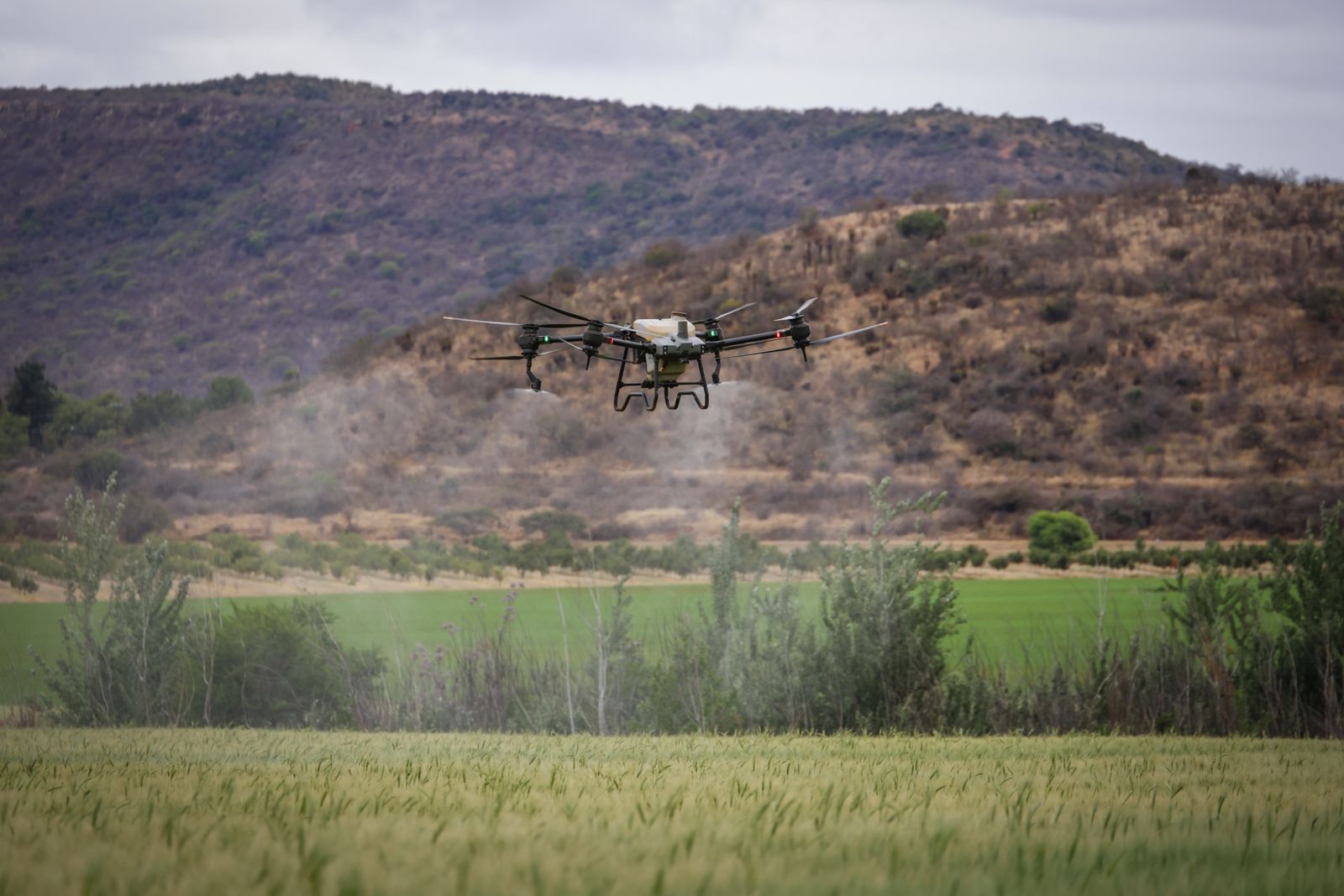
First, the numbers. Industry reports for 2025 put Nigeria's drone market at about USD 179M — Africa's second largest after South Africa, growing at double digits. Demand clusters in four areas: agriculture (one of sub-Saharan Africa's biggest farm economies), oil & gas pipeline inspection (the Niger Delta petroleum industry), logistics delivery (urban congestion pushing drone delivery), and security monitoring (driven by the security situation).
For exporters and distributors, Nigeria has one defining trait: a big market where regulation has just started. Before 2026, a large share of drones were flown unregistered. Now the government is moving to mandatory registration — which means whoever explains compliance clearly and sells compliant equipment wins the first-mover advantage. Information gap is opportunity.
Who regulates you: NCAA and the Part 21/22 framework
Drones in Nigeria are regulated by NCAA (Nigerian Civil Aviation Authority), under Nigeria CARs Part 21, with the 2026 portal built on Part 22 (RPAS digital registration and compliance management).
The key change came in May 2026: at the DRONETECX 2026 conference in Lagos, NCAA officially launched the RPAS digital portal (rpas.ncaa.gov.ng), consolidating registration, certification, incident reporting, ownership transfers and compliance management into one online platform. Compliance shifted from voluntary to mandatory — that is the stated position.
For foreign suppliers, three things follow: 1. Registration is now online — no more chasing approvals by email 2. Review is more structured — a five-phase certification (pre-application → application → document evaluation → demonstration → certification) 3. Security review is the hard gate — the end-user certificate system means importers must prove "who the buyer is and who operates it"
The core: three approval layers, importers pay attention
Commercial drone business in Nigeria runs through three gates:
| Layer | What it is | Who applies | Key point |
|---|---|---|---|
| 1. End-User Certificate | Proves the end-user identity of the equipment, preventing misuse | Importer / end customer | Mandatory for import — customs release depends on it |
| 2. Security Clearance | Security vetting issued by the Office of the National Security Adviser (NSA) | Operating company | Coordinates with intelligence/security agencies |
| 3. Operational Approval | NCAA approval for the actual operation | Operating company | Standard requirement for commercial operations |
[Process and agency setup based on 2026 public information — confirm on the official NCAA portal rpas.ncaa.gov.ng and the NCAA website, needs manual verification]
For exporters and distributors, the first layer is the one that matters: the end-user certificate system is a Nigeria speciality — imported drones must register their end user, and customs releases the goods on that basis. That means: - When you sell to a Nigerian customer, the customer needs end-user eligibility first — payment alone does not clear customs - Helping customers navigate this flow is value your competitors are not offering - Serial numbers, model details and import documentation must be complete — these are the documents you, as the supplier, must provide
Three details most people miss: - Under 250 g is exempt from registration but still needs operator certification — don't assume small machines are fully unregulated - Above 25 kg goes through company-level registration — heavier equipment has more complex procedures; plan ahead - Fees are tiered by weight and operation type — commercial ₦150,000+, hobbyist around ₦20,000
Five-phase certification: why approval takes so long
NCAA uses a five-phase certification process for commercial operations — the reason commercial approval runs 4-8 weeks:
- Pre-application — submit intent, confirm document checklist
- Application — formal submission of registration/certification documents
- Document evaluation — NCAA reviews technical documentation
- Demonstration — live or video demonstration of equipment capability
- Certification — registration certificate / permit issued upon approval
[Process details per the NCAA RPAS portal — needs manual verification]
Advice for importers and distributors: with long approval timelines and possible queues on a newly launched portal, budget 2 months for stocking and order cycles — don't promise customers "two-week delivery."
Security and airspace: geofencing is the direction
Nigeria treats drone security seriously — with good reason (counter-terrorism, countering unauthorized surveillance). The policy direction is clear:
- Geofencing technology: NCAA plans to deploy it, preventing drones from entering restricted zones like airports and government buildings
- Counter-drone technology: being developed with the NSA for early threat detection
- Mandatory type certification: part of the 2026-2036 National Drone Roadmap — future equipment will need airworthiness certification to be imported
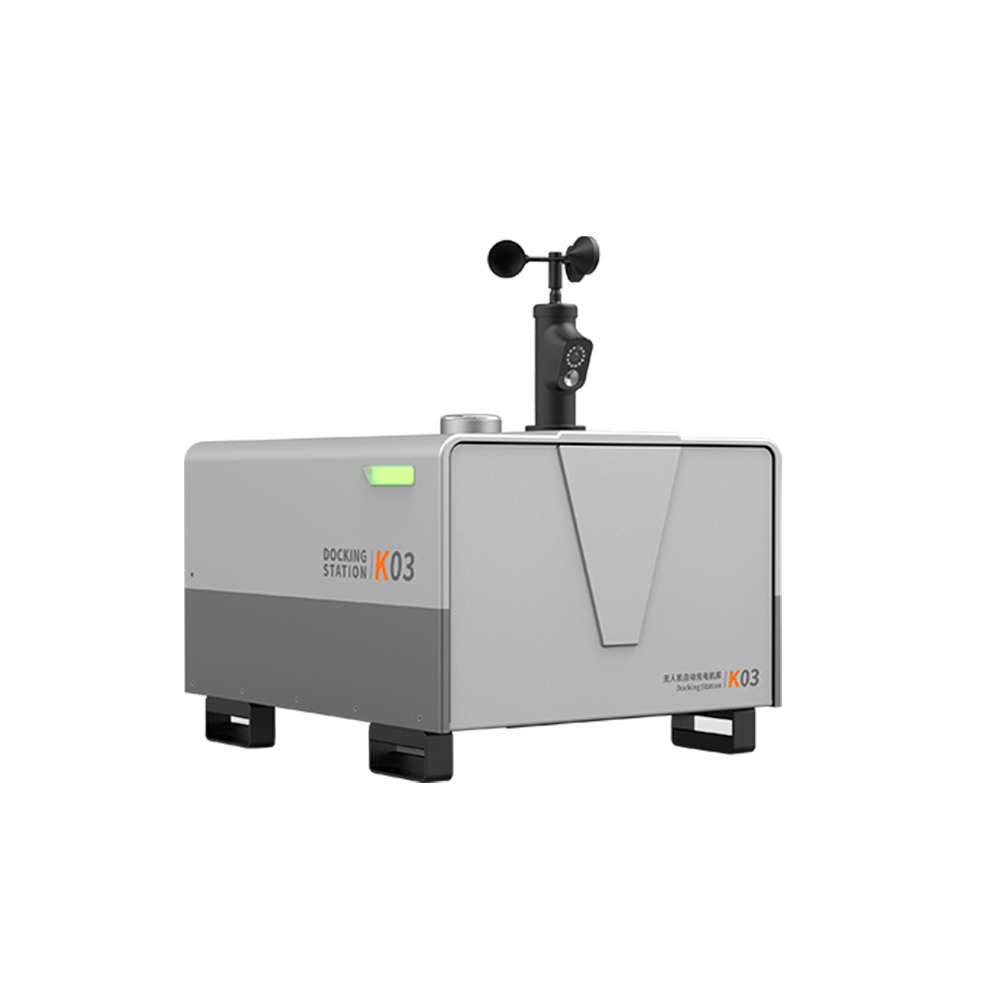
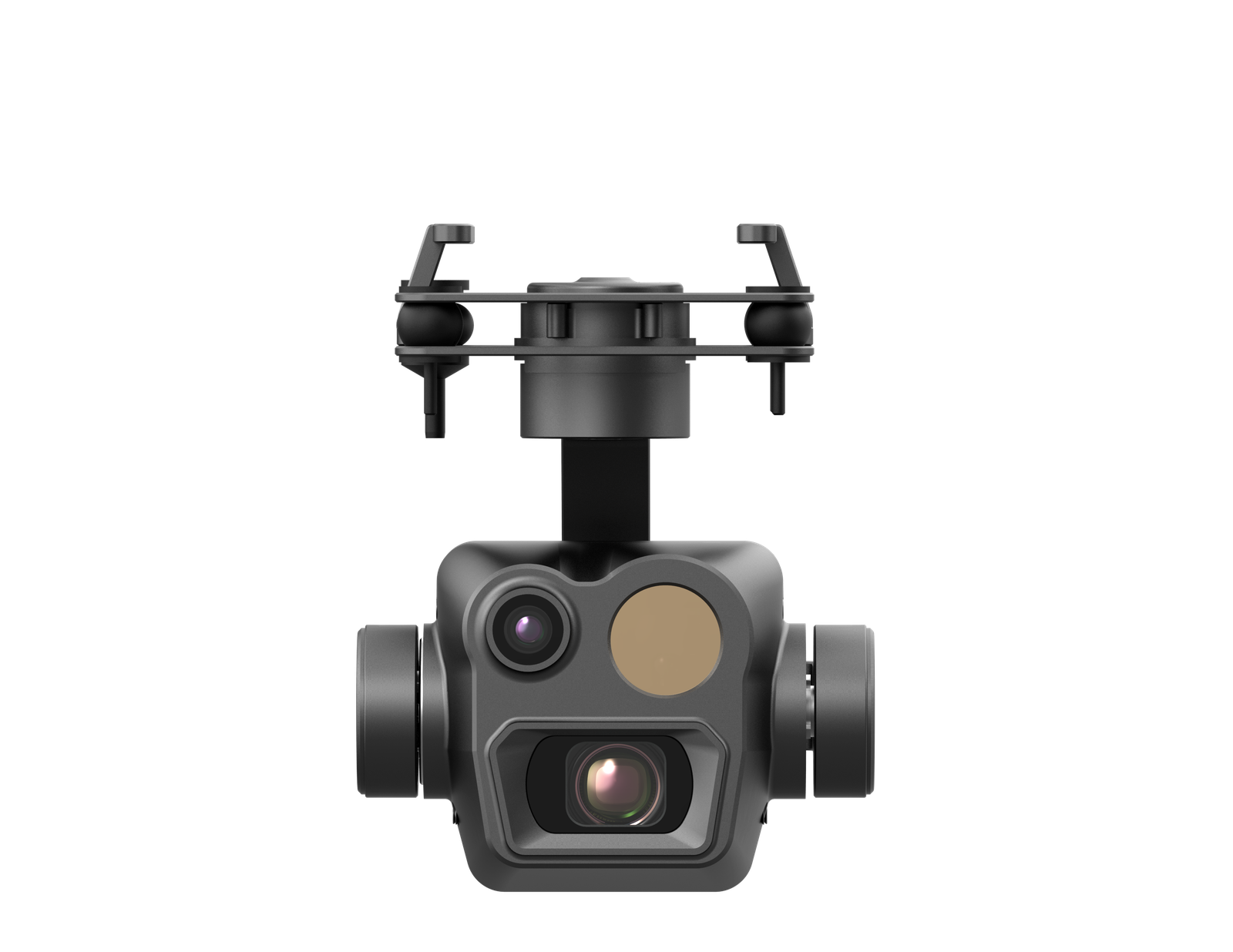
The signal for foreign suppliers is direct: equipment with geofencing capability and compliance certifications will become increasingly competitive in Nigeria. That is why drone-in-a-box: 24/7 unattended inspection and AI tracking gimbals have real demand in Nigeria — automated patrol plus electronic fencing maps directly onto security needs; for critical infrastructure protection see drone perimeter security.
Retrospective: the four traps exporters fall into
After years in the Nigerian market, the failures I've seen fall into four buckets:
- Selling "importable" as "flyable" — the goods ship, the customer has no end-user certificate, customs blocks them, and the blame lands on the seller
- Underestimating approval time — 4-8 weeks is the norm for commercial, longer during portal onboarding queues
- Ignoring document completeness — the NCAA portal asks for passport/ID, proof of address, aircraft specifications, import documents; one missing item sends the application back to square one
- No after-sales on the ground — across Nigeria and Africa, long repair turnaround is the biggest complaint; whoever provides local spare parts and training owns the channel
One-line summary
Nigeria is a "regulation just starting, market exploding" play: End-User Certificate → Security Clearance → Operational Approval — walk all three layers before doing business. Importers in particular must watch the end-user certificate — it is the watershed for whether your goods clear customs. On the equipment side, geofencing, compliance certification and rugged reliability are the three differentiators.
For Nigeria-bound projects, send us your import categories and customer types — we'll prepare a compliance and import documentation checklist per NCAA requirements. Compliance consultation and document review are free.
FAQ
What permits do I need to fly a drone in Nigeria?
Commercial operations need three approvals: an end-user certificate (importer/end customer), security clearance from the Office of the National Security Adviser (NSA), and NCAA operational approval. Equipment from 250 g to 25 kg must also be registered on the NCAA portal.
How much does drone registration cost in Nigeria?
Fees are tiered by weight and operation type: around ₦20,000 for hobbyists, ₦150,000+ for commercial operations (2026 public figures — confirm on the official NCAA portal).
Can foreigners operate drones in Nigeria?
Yes, but the full approval chain applies: importers need an end-user certificate, operators need security clearance and operational approval; commercial approval takes about 4-8 weeks.
What documents are needed for drone registration in Nigeria?
A valid ID (passport for foreigners), proof of address, aircraft specifications (model/serial number), and purchase/import documents; commercial operators also need business registration and insurance certificates.
What changed in Nigerian drone rules for 2026?
NCAA launched the RPAS digital portal (rpas.ncaa.gov.ng), moving registration and compliance from paper to online and from voluntary to mandatory; it also introduced a five-phase certification process and the 2026-2036 National Drone Roadmap.
What should I watch when importing drones into Nigeria?
The end-user certificate is the key — imports must register the end user, and customs releases on that basis. Keep serial numbers and import documents complete; also track mandatory type certification and geofencing requirements (the emerging trend).
Disclaimer: regulations change continuously; this article is based on 2026 public information. Always confirm with the official NCAA publications.